Property Preparation Wait Guide For 99 Slot Heritage Building in UK
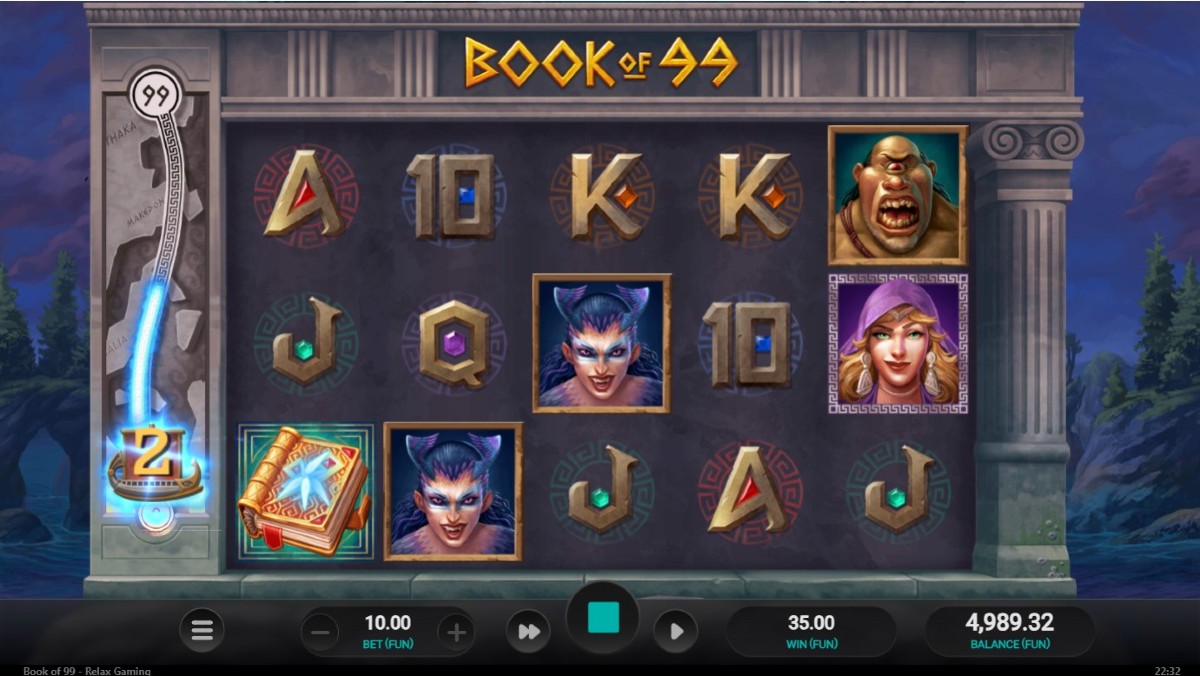
The Property Planning Wait Book of 99 Position Heritage Building in the UK addresses essential matters surrounding the arrangement and implementation of an individual’s wishes after their passing. By creating a organized system, it helps alleviate conflicts among heirs and ensures a person’s values and intentions are explicitly articulated. Understanding how this tool incorporates essential elements of an effective property plan can lead to significant legacy building that transcends mere property allocation. What are the crucial factors one must consider? book of 99 slot gr casino
Understanding the Significance of Property Preparation
Property preparation isn’t just a matter of monetary preparation; it’s a crucial procedure that ensures an individual’s desires are honored after their death, protecting both their properties and family. Efficient estate preparation involves drafting legally enforceable papers such as wills and fiduciaries, making sure that one’s property is distributed according to individual desires. Furthermore, it allows for the designation of caretakers for underage offspring and requires medical directives, should the individual become incapacitated. By proactively addressing these issues, individuals reduce possible conflicts among heirs, simplify the legal process, and reduce tax obligations. In addition, adequate preparation enables individuals to create a lasting impact, ensuring their heritage is preserved and their values manifest in the distribution of their property, thereby achieving tranquility.
The Idea of Heritage Construction
Legacy development encompasses the deliberate efforts individuals make to shape how their principles, beliefs, and wealth are passed down to posterity. This procedure involves a meticulous examination of one’s individual and monetary legacies, ensuring that they reflect the individual’s intentions. It requires an extensive understanding of law-related structures, including trust funds, wills, and charitable bequests, which aid the successful transfer of resources and ethos. Additionally, legacy building highlights the significance of family discussions, encouraging discussions that illuminate intentions and avert misunderstandings. Individuals committed to this endeavor employ estate planning tools strategically, aligning their legacies with both private values and benevolent goals. In the end, legacy creation demands considerate consideration, enabling beneficiaries to receive not just assets, but also fundamental beliefs that define familial identity.
Key Components of an Effective Estate Plan
A detailed estate plan is essential for ensuring that an individual’s wishes are honored and their wealth are apportioned according to their preferences. Key components include a well-drafted will that explicitly outlines wealth division, designating an executor responsible for executing those wishes, and creating a proxy to handle economic decisions if incapacitated. Additionally, setting up a medical power of attorney allows chosen people to make medical decisions on one’s behalf. Fiduciaries may be utilized to diminish tax liabilities and prolong resource management beyond death. Periodically assessing and revising these records reflects changes in individual situations or legislation. Finally, these aspects work together to create a reliable, successful process for inheritance management.
How the Wait Book Facilitates Estate Planning
While navigating through the complexities of estate planning, many individuals find that the Wait Book considerably improves transparency and organization in managing their affairs. This novel tool serves as a central repository for critical documents and directives, enabling users to methodically address their wishes. Within the Wait Book, individuals can catalog crucial information, including property details, financial assets, and key contacts, such as executors and guardians. Furthermore, its structured format allows for easy updates and revisions as circumstances evolve. By ensuring all relevant data is readily accessible, the Wait Book aids estate planners in minimizing disputes and confusion among beneficiaries. In the end, it enables users to traverse legal obligations more effectively, contributing to a more efficient estate planning process.
Tips for Proactive Legacy Building
To build a significant legacy, individuals should take proactive steps that mirror their values and intentions. First, they must establish their core principles, ensuring their estate planning is consistent with personal beliefs. Next, engaging in comprehensive financial assessments allows individuals to recognize key assets for preservation and distribution. Establishing trusts can strengthen asset protection and lower tax liabilities, ensuring beneficiaries receive maximum benefit. It’s also essential to communicate intentions explicitly with family and stakeholders to diminish potential disputes. Regularly reviewing and updating estate documents is important, especially as personal circumstances and laws evolve. Finally, contemplating philanthropic contributions can improve one’s legacy, leaving a lasting social impact that echoes beyond mere financial wealth.
Navigating Challenges in Estate Planning
Successfully navigating the intricacies of estate planning often becomes challenging due to the interaction of laws, fiscal impacts, and family relations. To efficiently manage these challenges, one should consider the following crucial factors:
- Legal Structure
- Tax Implications
- Family Dynamics
- Professional Guidance
Conclusion
In summary, the Estate Planning Wait Book of 99 Slot Legacy Building acts as a crucial tool for people aiming to protect their heritages. By carefully arranging critical documents and directives, it not only simplifies estate planning but also alleviates likely conflicts among recipients. Embracing proactive legacy building through this resource empowers persons to guarantee their wishes are fulfilled and their values reflected. In the end, effective estate planning preserves one’s heritage for descendants, matching personal aims with legalities.