Basarwa finds contentment in Tsutsube dance
Botswana’s cultural heritage is quite a vibrant tapestry, where dance stands out as a powerful thread of identity and unity. While various ethnic groups find their rhythm in unique styles, from the synchronized movements of the Bakgatla’s Dikwaere to the energetic steps of Setapa, the graceful sway of Phatisi, and the delightful bounce of the Kgalagadi’s Polka, the Basarwa people have their own deeply spiritual expression: Tsutsube.
For the Basarwa, this is more than just a dance; it is a sacred ritual with four distinct categories: the first kill, puberty, marriage, and trance. The trance dance in particular serves a profound purpose, allowing dancers to engage with the spirits of their ancestors for healing and guidance. It is a powerful connection to the past, a spiritual lifeline that keeps their traditions alive.
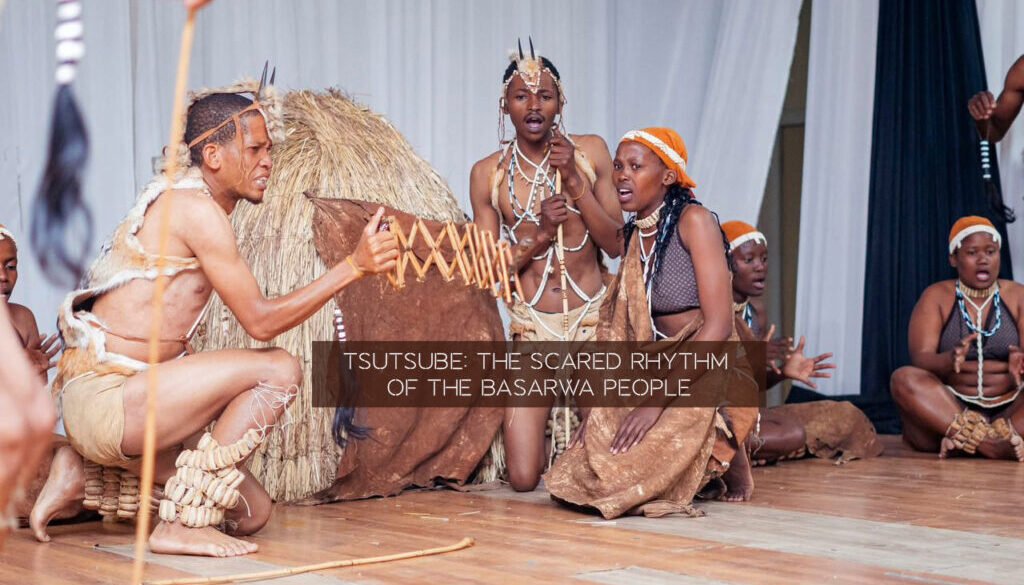
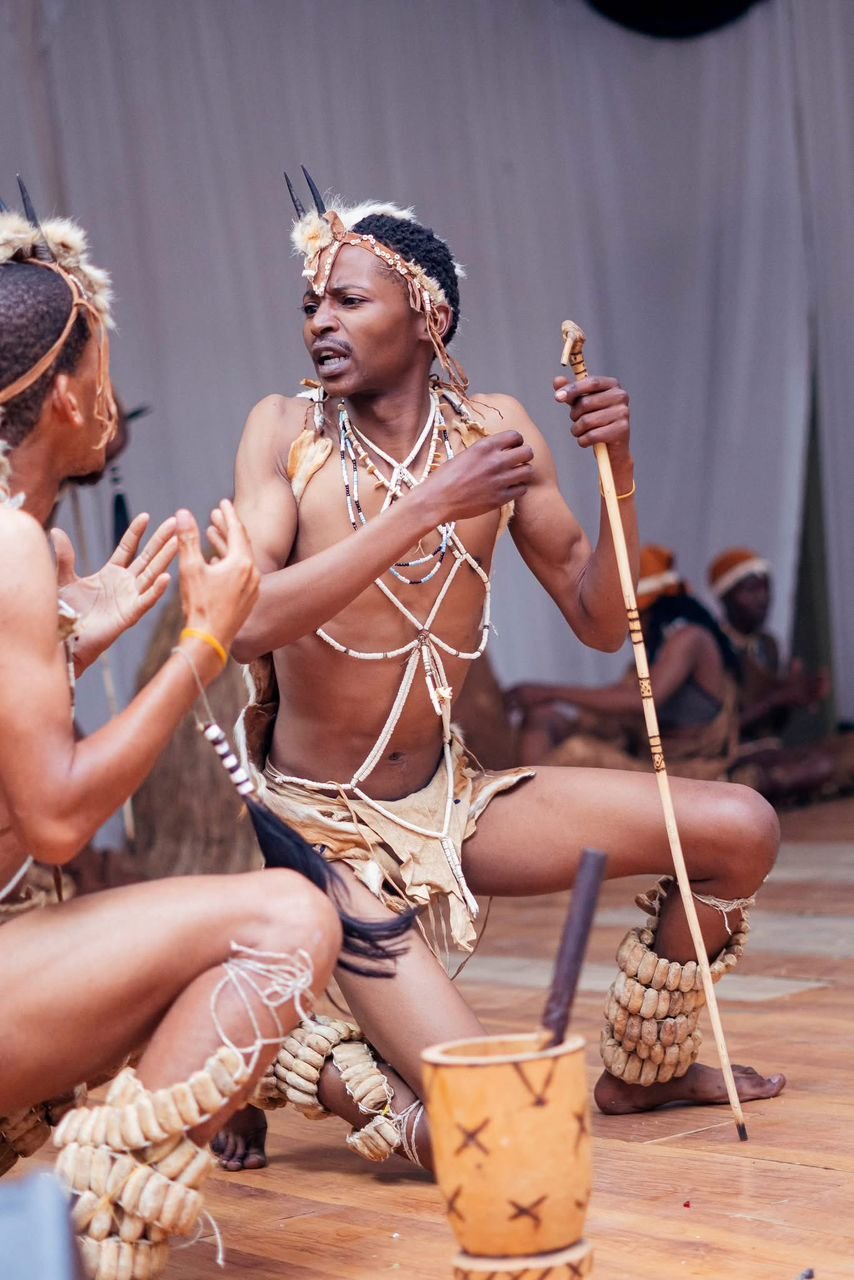
In D’Kar, a small settlement in the Ghanzi region, the Kuru A Boo dance group has mastered the art of Tsutsube. These dancers, in perfect unison, move with breathtaking precision.
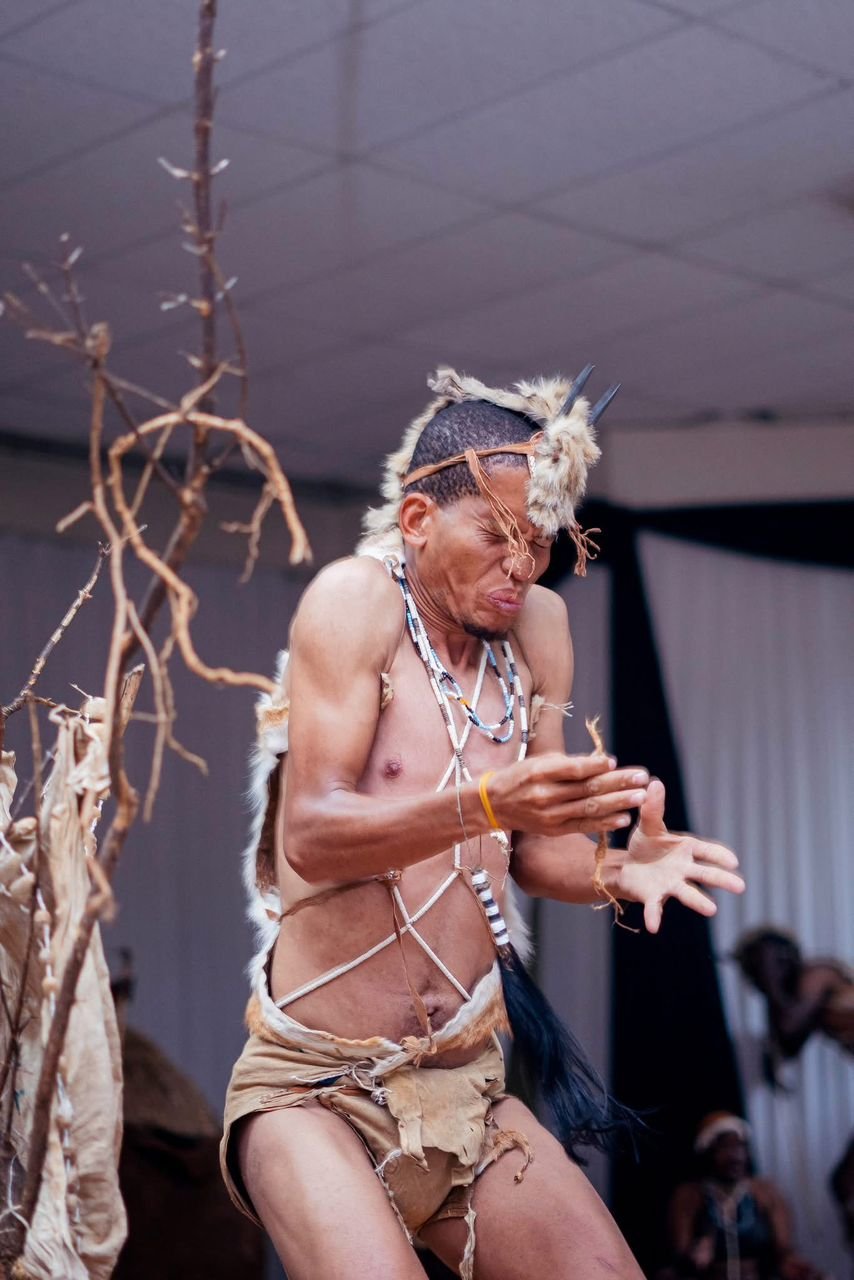
With small wooden sticks in hand, they create a mesmerizing spectacle, their focus and concentration a testament to their dedication. Their attire, a work of art in itself, is adorned with necklaces and beads crafted from carefully cut ostrich eggshells.
The women wear Matlalo, skirts made from animal skins, while the boys are similarly attired. The group’s leader, a revered figure, stands out with a jackal skin draped across his back, a symbol of respect and leadership.
Even if you can’t understand the songs, the melodies and the perfectly timed hand claps will transport you to a different world. The music is an ethereal soundscape, carrying the audience away on a wave of pure emotion.
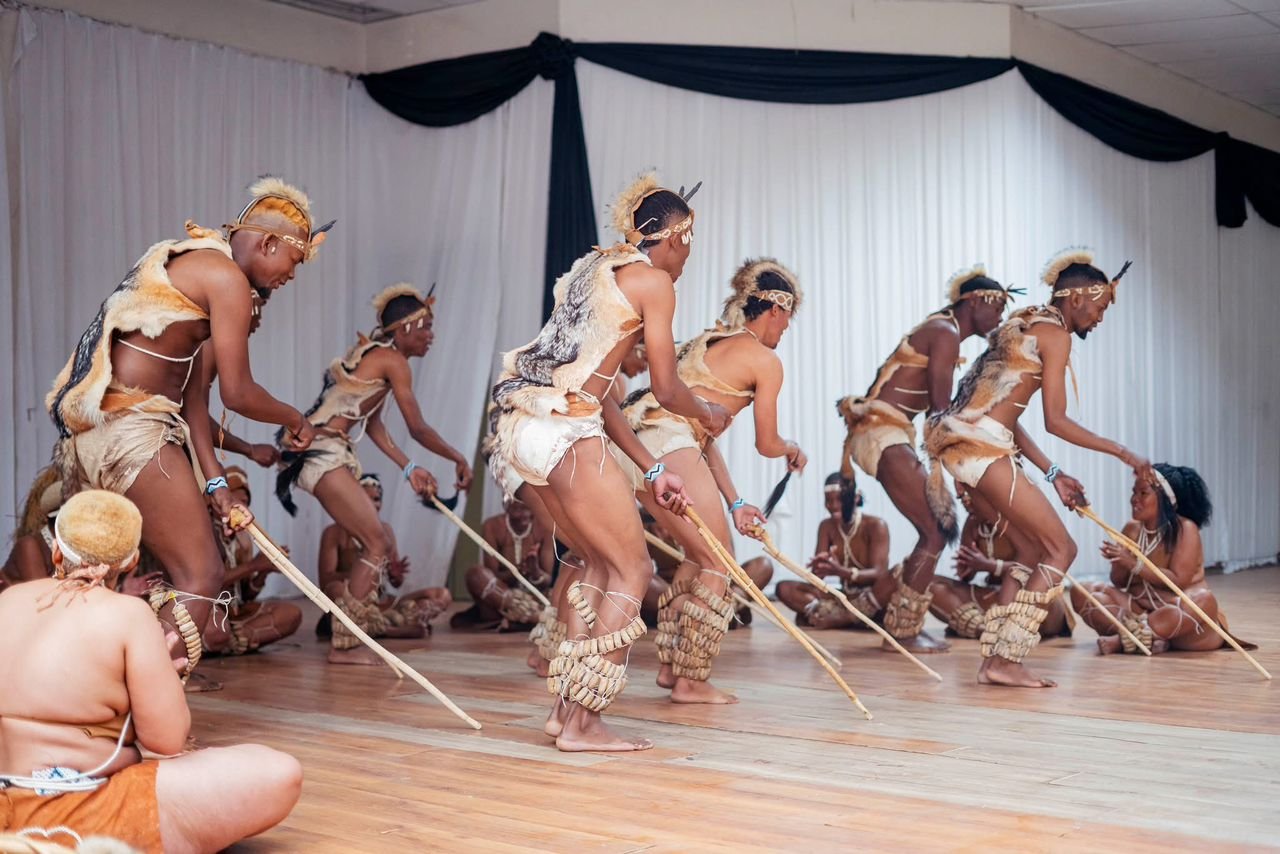
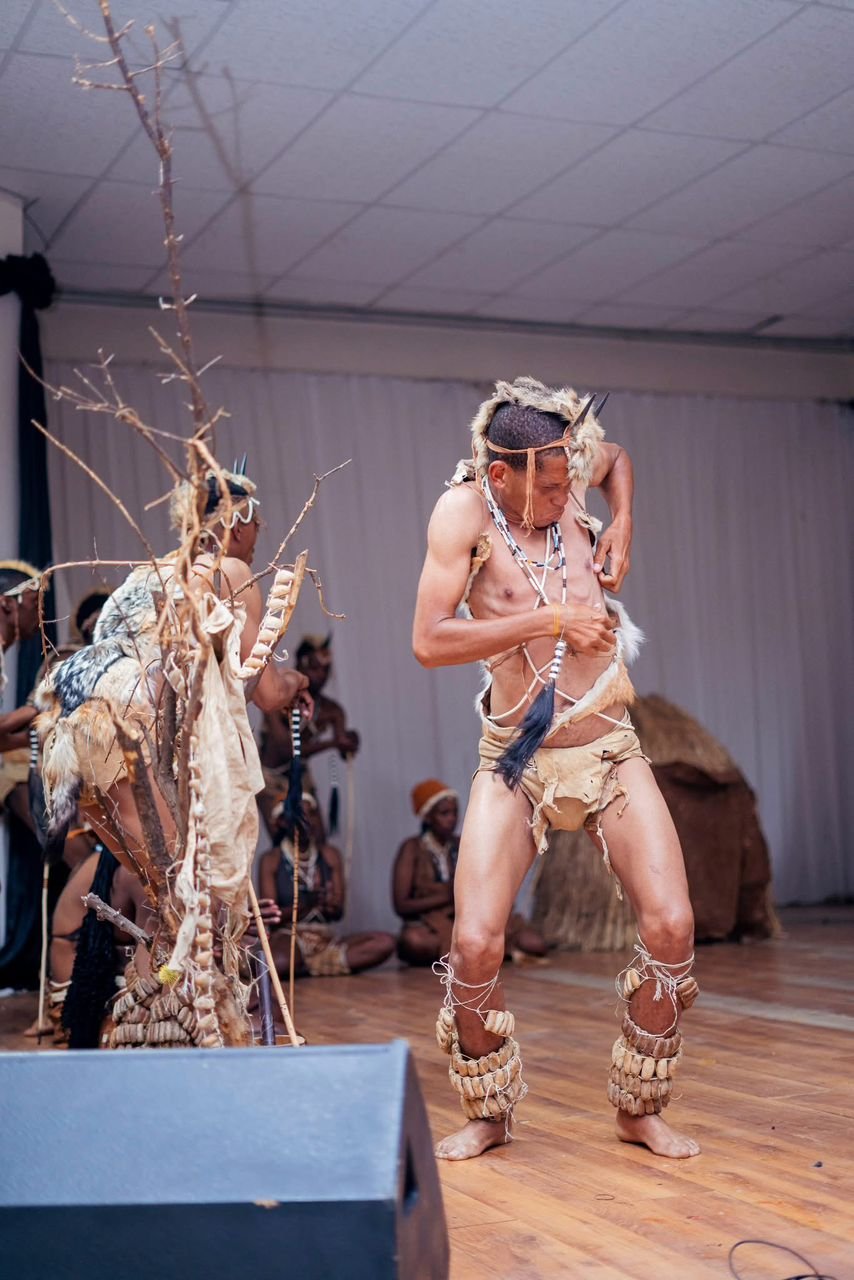
During or after a performance, it is not uncommon for a dancer to enter a trance, a spiritual encounter with their ancestors. To an outsider, this might be a shocking sight, but to the Basarwa, it is a normal and honored part of their culture. It is a beautiful display of faith and a deep belief in traditional medicine and the wisdom of their Badimo (ancestors).
In a place where poverty is a daily reality, Tsutsube has become a lifeline for many young people. Through groups like Kuru A Boo, they have a way to make a living by performing at public and private events.
This artistry is not just preserving their culture; it is also a powerful tool for empowerment. It gives them a purpose and a path away from social ills like teenage pregnancy, substance abuse, and crime.
Tsutsube is a beautiful display of art and resilience, a testament to the enduring spirit of the Basarwa people. It is a dance that is here to stay, a vibrant part of their identity that brings joy, purpose, and hope to a new generation.